
• Skip to primary navigation
  • Skip to main content
  • Skip to footer
Deibel Laboratories

Deibel Laboratories

Science you can trust from concept to consumer.

  • ABOUT US
    • MEET OUR STAFF
    • ACCREDITATION
    • TERMS AND CONDITIONS
  • SERVICES
    • TESTING SERVICES
      • MICROBIOLOGY
      • CHEMISTRY
      • BACTERIAL / FUNGAL IDENTIFICATION
      • ALLERGEN TESTING
      • NUTRIENT ANALYSES FOR LABELING AND CLAIMS
      • TOXIN TESTING
      • FDA DETENTION SAMPLING
      • PERSONAL CARE & COSMETICS
    • SPECIAL PROJECTS
      • CHALLENGE STUDIES
      • SHELF LIFE STUDIES
      • PROCESS VALIDATION
      • METHOD/MATRIX VALIDATION
    • ADVISORY SERVICES
    • ENVIRONMENTAL MONITORING SERVICES
    • BIOFUELS
    • DEIBEL COLAB 2.0
  • TRAINING AND EDUCATION
    • HACCP TRAINING
    • FSPCA PCQI TRAINING
    • SANITATION OPERATOR TRAINING
    • MICROBIOLOGY 101
    • FSPCA FOREIGN SUPPLIER VERIFICATION PROGRAM (FSVP) TRAINING FOR IMPORTERS OF FOODS FOR HUMAN AND ANIMALS
    • LABELING REQUIREMENTS FOR FOODS AND BEVERAGES
      MARKETED IN THE U.S.
    • GOOD MANUFACTURING PRACTICES
  • CONTACT US
  • Show Search
Hide Search

toxins

Warning Letter Highlights Necessary Controls for C. botulinum

Ryan Maus · November 14, 2023 ·

A warning letter was recently issued to a manufacturer of refrigerated ready-to-eat baby food products packaged in a reduced oxygen environment. The investigation that led to the warning letter was initiated because of a consumer complaint that involved a case of infant botulism. Infant botulism is caused by the presence of C. botulinum spores that temporarily colonize an infant’s large intestine and produce botulinum neurotoxin. However, spores are not a hazard for the majority of the population with developed guts. Instead, controlling C. botulinum spore germination, outgrowth, and toxin production in products that can support growth should be the focus of food manufacturers as highlighted by FDA in this warning letter.
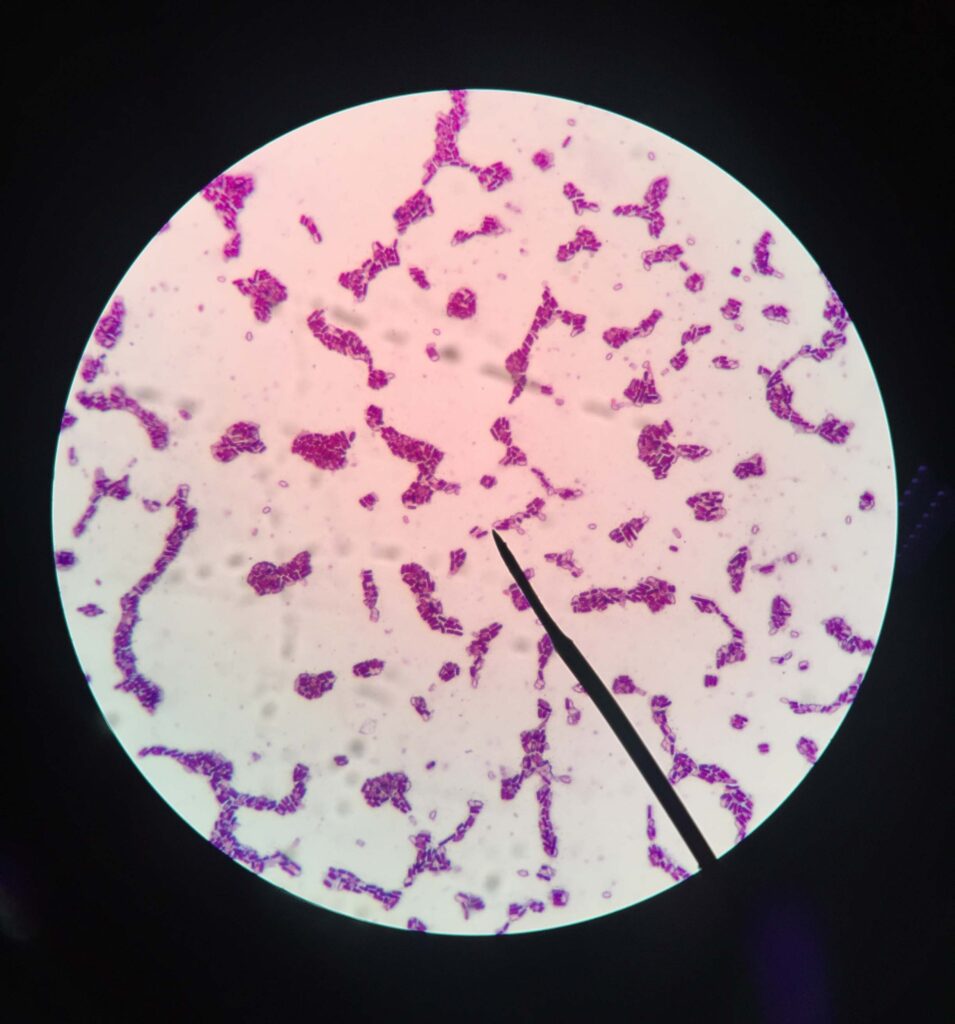
In the warning letter, FDA cites that the manufacturer’s hazard analysis did not identify the potential for C. botulinum growth and/or toxin formation due to reduced oxygen packaging. This hazard should have been identified because C. botulinum is associated with the various product ingredients that are grown in the ground. This organism is an anaerobe that can grow in the reduced oxygen packaged product and pose a food safety risk because the product did not undergo a sporicidal treatment and the formulation did not control outgrowth and toxin formation.

Although the product was stored refrigerated, FDA indicated that refrigeration temperatures exceeded the levels necessary to prevent non-proteolytic C. botulinum strain outgrowth, considered to be <3°C. Likewise, the manufacturer did not utilize calibrated temperature probes that often indicated misleading monitored results. When temperature is the only control for C. botulinum, strict monitoring of that control is necessary throughout product storage.

Because temperature control throughout product storage, during transportation, and by the consumer may be hard to maintain, manufacturers will turn to other controls for C. botulinum. This can include a sporicidal heat treatment as outlined in 21 CFR Part 113 (Thermally Processed Low-Acid Foods Packaged In Hermetically Sealed Containers) or formulation and packaging controls that include:

• pH ≤4.6

• Water activity ≤0.935

• Aerobic packaging

• Preservatives such as nitrite, sorbic acid, phenolic antioxidants, polyphosphates, and ascorbates

A hurdle approach, or combination of controls, can also be used. In this case, no single control limits C. botulinum outgrowth. The combination of controls is commonly verified for effectiveness with a challenge study. Testing and handling of many bacterial toxins, like botulism toxin, requires sophisticated laboratory quality controls, including CDC / APHIS select agent accreditation. Deibel Laboratories has select agent approval and can conduct challenge studies to help verify that controls are effective to prevent C. botulinum outgrowth and toxin formation.
Recent Outbreaks Involving Natural Toxins

Ryan Maus · October 3, 2023 ·

By Ryan Maus
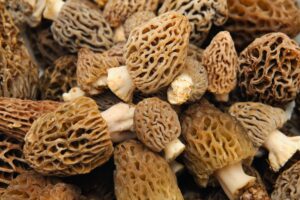
Ingredient hazard assessments often include an assessment of natural toxins. Of these, mycotoxins such as aflatoxin are often first to be assessed. However, other naturally occurring toxins exist and have caused foodborne outbreaks in the past few years. These outbreaks involved toxin containing raw morel mushrooms, undercooked kidney beans, and new ingredients such as tara powder. While consumer demands can inspire new food trends, it is important to remember the hazard that naturally occurring toxins present and the controls that can be put in place to reduce the risk of illness.

A recent article describes a 2018 incident in France where an outbreak of acute gastroenteritis occurred at a military base after 200 people ate at a dining facility and became ill. An investigation indicated that chili con carne was the likely source of illnesses. Further analysis indicated that a plant lectin, phytohaemagglutinin, was present in the chili at a level above what is considered a toxic dose. The source of the plant lectin was undercooked kidney beans, a toxin that is destroyed with proper cooking of the beans.


In 2022, numerous customer complaints were made to the manufacturer, the FDA, and the CFSAN Adverse Event Reporting System about illnesses associated with the consumption of Daily Harvest’s French Lentil and Leek Crumbles. The product was eventually recalled and an outbreak investigation undertaken to determine the cause of illnesses. Initially, 393 adverse illness events were reported, including 133 hospitalizations. Illnesses reported involved the gastrointestinal tract, liver, bile ducts, and/or gallbladder. An FDA investigation identified tara protein flour, an ingredient in the product implicated, as an ingredient of interest although non-specific toxin tests, mycotoxin tests, and microbial tests did not identify any results of public health significance. An investigation of the adverse event and the potential role tara protein played in causing illness was published in 2023. The authors found that the original product and tara protein powder ingredient were free from intentional, accidental, and economic adulteration, spiking with synthetics, and toxic compounds. However, three nonprotein amino acids were present at high levels. One of these, baikiain, was present at the highest level and produced a minor metabolite in vivo similar to acetaminophen. When tested using a mouse model at levels relative to consumer consumption, the mice exhibited liver and kidney symptoms similar to an overdose of acetaminophen. The presence of baikiain was theorized to have caused the adverse events seen in consumers, the severity of which depended on the dose of tara consumed and the susceptibility of the individual to the toxin.

In 2023, an outbreak at a sushi restaurant in Montana caused 51 illnesses involving diarrhea, nausea, vomiting, or abdominal pain; and two deaths. An investigation indicated that morel mushrooms were the likely cause of illness. Left over mushrooms tested were found to be true morels and not false morels that contain the toxin gyromitrin, and no significant levels of pesticides, heavy metals, toxins, or pathogens were found. However, documented cases of similar illnesses associated with consumption of raw or undercooked true morel mushrooms have been reported due to low levels of naturally occurring heatlabile hydrazinic toxins in the raw morels. Morels consumed at the restaurant were served raw or lightly cooked.

Food producers need to ensure that proper controls are in place to eliminate toxic hazards, such as cooking. Likewise, new ingredients incorporated into products should be FDA approved and have a history of being safe. More information on natural toxins is available from FDA, WHO, and other sources.

Footer

CONTACT US

Have a question? Contact our Sales team.

Request Info

Subscribe to our newsletter

Subscribe

“Science you can trust from concept to consumer -since 1967”

We are proud of our integral role in helping to ensure product safety and quality for all our clients.

  • Facebook
  • LinkedIn
  • Twitter

CAREERS

Deibel Laboratories is always seeking energetic individuals to fill positions at our rapidly growing corporation of food and pharma/cosmetic testing laboratories.

VIEW CAREERS

LOCATIONS

California, Idaho, Pennsylvania, Sarasota, Gainesville, Lakeland, Illinois, Minnesota, Missouri, Wisconsin, Kansas, Tennessee, Texas, Canada

SEE LOCATIONS

Copyright © 2025 Deibel Laboratories, All Rights Reserved.
PRIVACY NOTICE · COOKIE POLICY · TERMS AND CONDITIONS